DYAP focuses on holistic youth empowerment for young people aged 12–30, with strong emphasis on HIV/AIDS and TB awareness, prevention, livelihoods, and overall well-being. The Economic Empowerment program specifically aims to help families and youth move from dependency to self-sustainability by building practical skills, financial knowledge, and entrepreneurial capacity.
The program addresses high unemployment, poverty, and related challenges (such as teenage pregnancy and limited opportunities) in the Dokolo area by equipping participants—especially youth, women, and vulnerable families—with tools for long-term financial independence.
Main Components of the Program
According to DYAP’s descriptions, the program includes these sub-activities:
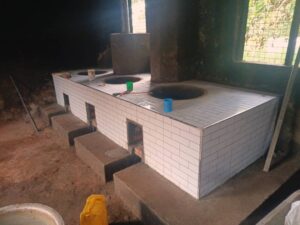
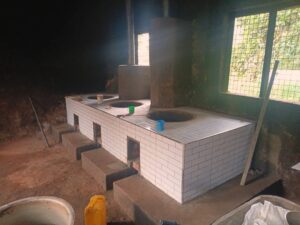
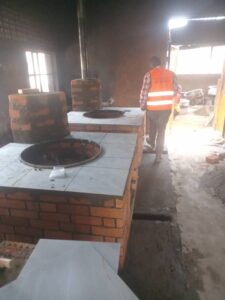
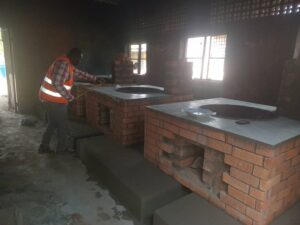
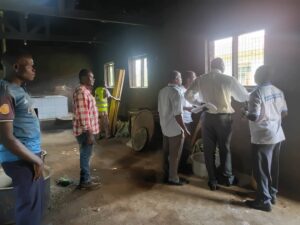
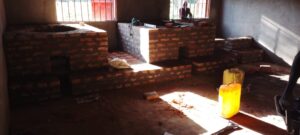
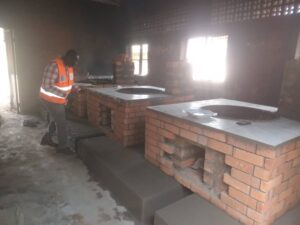
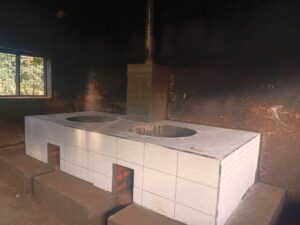
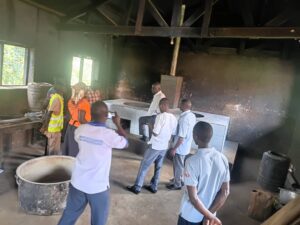
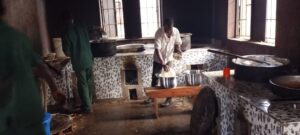
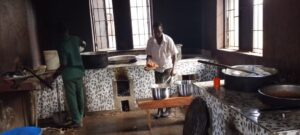
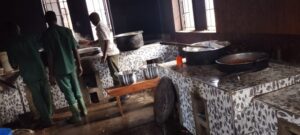
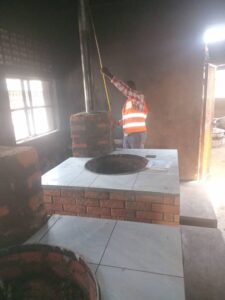
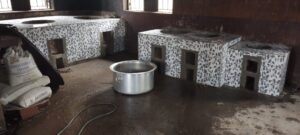
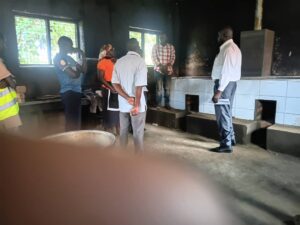
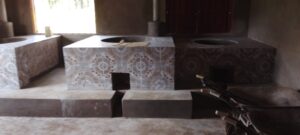
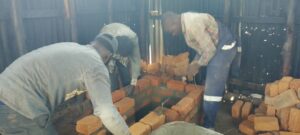
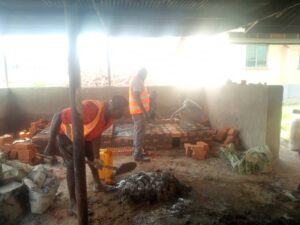
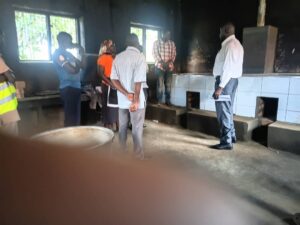
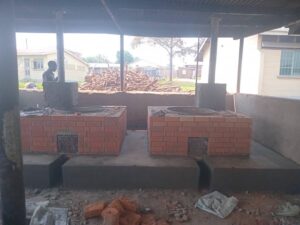
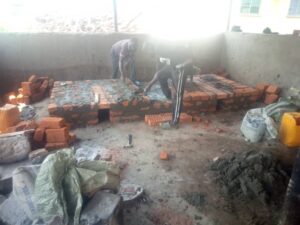
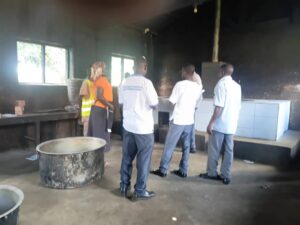
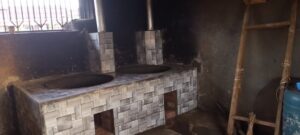
Skills Development & Vocational Training: Hands-on training in trades such as tailoring, stove making,baking, carpentry, and other relevant vocations suited to local opportunities.
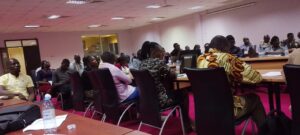
Financial Literacy & Business Development: Training on saving, budgeting, business planning, and starting/running small enterprises.
Microfinance & Savings Groups (SACCOs): Promoting and supporting small-scale savings and lending groups (Village Savings and Loan Associations or similar) to improve access to credit and financial services.
Job Placement & Income Generation: Linking trained individuals to employment opportunities and providing start-up support for businesses.
Model Communities & Trainer of Trainers (TOTs): Working with community change champions to scale impact through peer training and sustainable local leadership.
Broader Goals and Approach
The program emphasizes long-term transformation rather than just short-term aid. It helps participants generate income, support their households, and contribute to their communities. It aligns with DYAP’s other initiatives (education support, healthcare, feeding programs, hygiene) for a comprehensive approach to breaking the cycle of poverty.
DYAP operates through outreach, partnerships, and community involvement. It targets youth, teenage mothers, girls, children, and households, including vulnerable groups like young people with disabilities or those living with HIV/AIDS.
 Are you ready to help them? Let’s become volunteers...